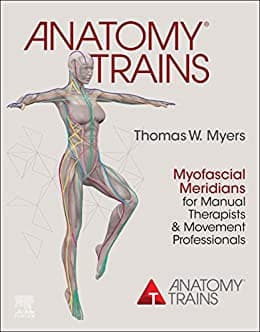
<p>New Features :</p><ul style="margin-right: 0px; margin-left: 20px; padding: 0px; color: rgb(51, 51, 51); font-family: "Amazon Ember", Arial, sans-serif; font-size: 14px; margin-bottom: 0px !important;"><li style="margin: 0px 0px 0px 20px; overflow-wrap: break-word;"><b>New photos and images of fascial tissues, adhesions, and layers</b> gives you a better understanding of text content.</li><li style="margin: 0px 0px 0px 20px; overflow-wrap: break-word;"><b>Revised and expanded content</b> reflects the most up-to-date research and latest evidence for the scientific basis of common clinical findings.</li><li style="margin: 0px 0px 0px 20px; overflow-wrap: break-word;"><b>New enhanced eBook format</b> offers a new, larger library of videos, including animations and webinars with the author.</li><li style="margin: 0px 0px 0px 20px; overflow-wrap: break-word;"><b>New section on Anatomy Trains in motion</b> by guest author Karin Gurtner uses Pilates-evolved movement to explore strength and plasticity along myofascial meridians.</li><li style="margin: 0px 0px 0px 20px; overflow-wrap: break-word;"><b>New addition</b> The Anatomy Trains in quadrupeds (horses and dogs), mapped for equine and pet therapies by Rikke Schultz, DVM, Tove Due, DVM and Vibeke Elbrønd, DVM, PhD.</li><li style="margin: 0px 0px 0px 20px; overflow-wrap: break-word;"><b>New appendix:</b> Updated fascial compendium on elements, properties, neurology, and origins of the fascial system.</li></ul><p style="margin: 0px 0px 0px 20px; overflow-wrap: break-word;"><br></p><p style="text-align: justify; margin-top: 0px; margin-right: 0px; margin-bottom: 0px; overflow-wrap: break-word;"><b>Who is This Book for??</b></p><p style="text-align: justify; margin-top: 0px; margin-right: 0px; margin-bottom: 0px; overflow-wrap: break-word;"><b><br></b></p><p style="text-align: justify; margin-top: 0px; margin-right: 0px; margin-bottom: 0px; overflow-wrap: break-word;"> Anatomy Trains is designed to interest all professionals engaged in human structure and movement; physical therapists, athletic and personal trainers, rehab specialists, osteopaths, chiropractors, manual therapists, yoga and Pilates teachers, massage therapists, dance and movement teachers, body workers and acupuncturists.<b><br></b></p>