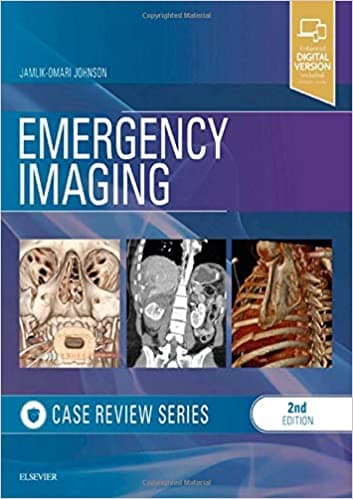
<p style="margin-bottom: 14px; padding: 0px; color: rgb(51, 51, 51); font-size: 14px;"><font face="Times New Roman">This challenging subspecialty requires a range of knowledge and skills for rapid diagnosis of issues related to trauma and acute situations including cardiopulmonary emergencies, stroke, and fractures. <i style="">Emergency Imaging</i> offers highly illustrated, case-based preparation for board review to help residents and recertifying radiologists succeed on exams and provide state-of-the-art patient care.</font></p><ul style="margin-right: 0px; margin-left: 20px; padding: 0px; color: rgb(51, 51, 51); font-size: 14px; margin-bottom: 0px !important;"><li style="margin: 0px 0px 0px 20px; overflow-wrap: break-word;"><font face="Times New Roman">Presents 125 case studies organized by level of difficulty, with multiple-choice questions, answers, and rationales following the board review and recertification question format.</font></li><li style="margin: 0px 0px 0px 20px; overflow-wrap: break-word;"><font face="Times New Roman">Includes clinical information and diagnostic images highlighting important considerations for every case, with a recap of the procedure and explanations of key concepts.</font></li><li style="margin: 0px 0px 0px 20px; overflow-wrap: break-word;"><font face="Times New Roman">Features 400+ high-quality images spanning the full range of emergency findings from classic to less common.</font></li><li style="margin: 0px 0px 0px 20px; overflow-wrap: break-word;"><font face="Times New Roman">Covers the latest imaging technology and indications, including MDCT-angiography of vascular injury, CT and MRI of spine injuries and CNS emergencies, subtle and classic CT signs of bowel emergencies, cardiac angiography, and dual-energy CT.</font></li></ul>